×

The Standard e-Paper
Smart Minds Choose Us
 The Standard Group Plc is a
multi-media organization with investments in media platforms spanning newspaper
print operations, television, radio broadcasting, digital and online services. The
Standard Group is recognized as a leading multi-media house in Kenya with a key
influence in matters of national and international interest.
The Standard Group Plc is a
multi-media organization with investments in media platforms spanning newspaper
print operations, television, radio broadcasting, digital and online services. The
Standard Group is recognized as a leading multi-media house in Kenya with a key
influence in matters of national and international interest.

Audio By Vocalize
Kenya is stepping up efforts to build artificial intelligence (AI) skills as the technology reshapes workplaces and increases demand for workers who can develop and use AI systems.
The push is taking shape in universities, technical institutions and government programmes as the country seeks to close a shortage of advanced digital skills.
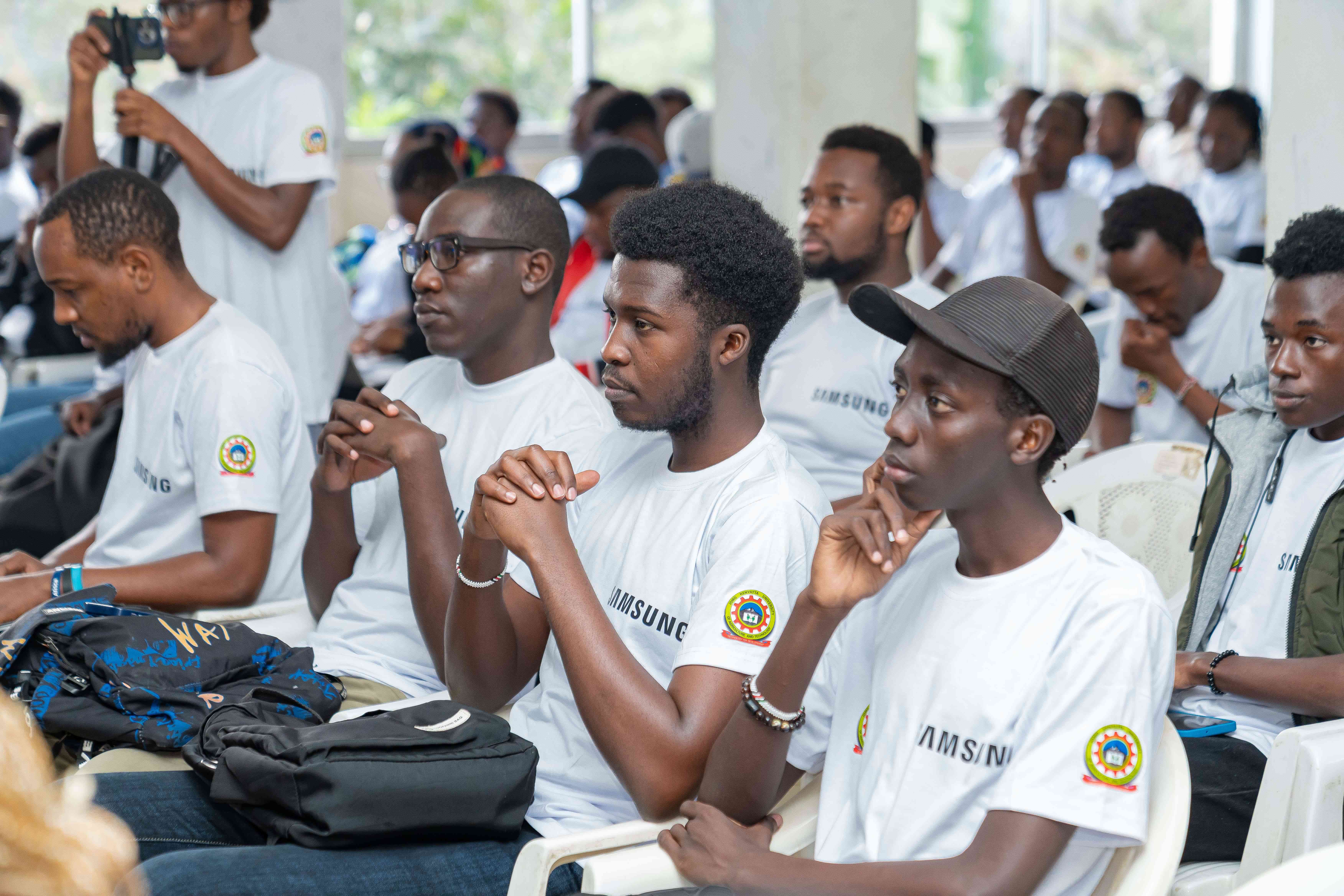
At Jomo Kenyatta University of Agriculture and Technology (JKUAT), 80 students have started a three-month programme in AI and advanced coding, with 40 taking each course.
The programme comes as the Kenya AI Strategy 2025-2030 calls for AI-specific education and training to address the country's skills gap and align learning with industry needs.
The strategy also identifies partnerships between government, the private sector and academia as a way of accelerating AI development and building a skilled workforce.
The Ministry of Information, Communications and the Digital Economy says Kenya has few professionals with advanced digital skills, identifying AI, coding, big data, cybersecurity and Internet of Things (IoT) among the areas requiring specialist expertise.
Workplace changes are driving the urgency.
A recent International Labour Organization (ILO) report says AI adoption is increasing demand for cognitive, socioemotional, digital and AI skills, while new technical jobs linked to developing and maintaining AI systems are emerging.
The ILO has also called for skills development to shift toward emerging labour market demands, arguing that young Kenyans will need digital fluency, analytical thinking, and ethical awareness as AI changes jobs.
That shift is already prompting institutions to expand practical AI training beyond conventional computer literacy.
The United Nations Educational, Scientific and Cultural Organization (UNESCO) Global Skills Academy, for example, has expanded across Kenya's technical and vocational education and training (TVET) system.
More than 200 teachers have been enrolled and upskilled through AI learning pathways, while 23 institutions are being supported by AI-trained educators in 2026.
The programme had reached more than 5,300 beneficiaries by the end of May.
At JKUAT, the new programme is being delivered through the Samsung Innovation Campus, an industry partnership launched at the university in November 2025.
The campus combines university-based learning with training in coding, programming and AI. At least 80 learners are expected to benefit each year, with IoT and cybersecurity planned for later phases.
Stay informed. Subscribe to our newsletter
Dr Lawrence Nderu, Head of the School of Computing and JHUB at JKUAT, said linking students to industry allows them to apply technical knowledge in practical settings.
“Behind every great piece of code or AI solution is a young person looking for a chance to prove what they can do,” said Nderu.
The approach is also giving former participants a route into technology careers.
Josephat Ochiel, a Regional Service Manager at Samsung Electronics East Africa and a former participant in the programme, told students that the training had changed his outlook before he moved into a corporate role.
“Being an alumnus of Samsung Innovation Campus, formerly known as Samsung Academy, didn't just give me technical skills; it completely shifted my perspective,” said Ochiel, adding, “Transitioning from a similar classroom into a corporate role at Samsung has been a profound full-circle journey.”
The expansion of AI training comes as the government looks beyond universities for ways to widen access to the technology.
In August, the Ministry of Information, Communications and the Digital Economy said it was exploring a partnership with Japanese AI company Sakana AI to develop AI skills through 1,450 planned digital hubs across the country.
The growing number of initiatives points to a shift in Kenya's technology sector from simply adopting AI tools to building the people capable of developing, managing and applying them.
For universities and industry, the challenge is increasingly about how quickly the skills pipeline can keep pace with the technology itself.








Subscribe to our newsletter and stay updated on the latest developments and special offers!








 join
join